
Equine Veterinary Physiotherapy
Our Approach: Biomechanics as a Foundation for Physiotherapy
Veterinary physiotherapy practice and the scientific field of biomechanics are intrinsically linked. The veterinary physiotherapist practices as part of a multi-disciplinary, vet-led team to restore, maintain, or optimise an animal’s movement and function. Biomechanics is branch of science that applies the laws of mechanics to study how biological systems move and interact with their surroundings. Put simply, it is the study of movement and is the cornerstone of evidence-based physiotherapy.
As a biomechanist and full-time academic, I take a scientific approach to equine veterinary physiotherapy. I combine my academic background and expertise in equine biomechanics and rehabilitation to offer comprehensive, evidence-based veterinary physiotherapy services. I uniquely integrate state-of-the-art technologies to quantify equine movement and muscle activity, which forms the basis for physiotherapeutic assessment and treatment plans that are data-driven and grounded in science. This approach allows us to objectively: monitor a horse’s response to treatment, evaluate treatment efficacy (how well its working), and determine when changes are required to suit a horse’s individual needs and deliver optimal outcomes!
What is involved? What sets us apart?
Our equine physiotherapy services are centred around traditional approaches but uniquely integrate equine biomechanics and gait analysis expertise to objectively inform, document, and monitor responses to physiotherapeutic treatments. Following veterinary referral, a typical session will involve:
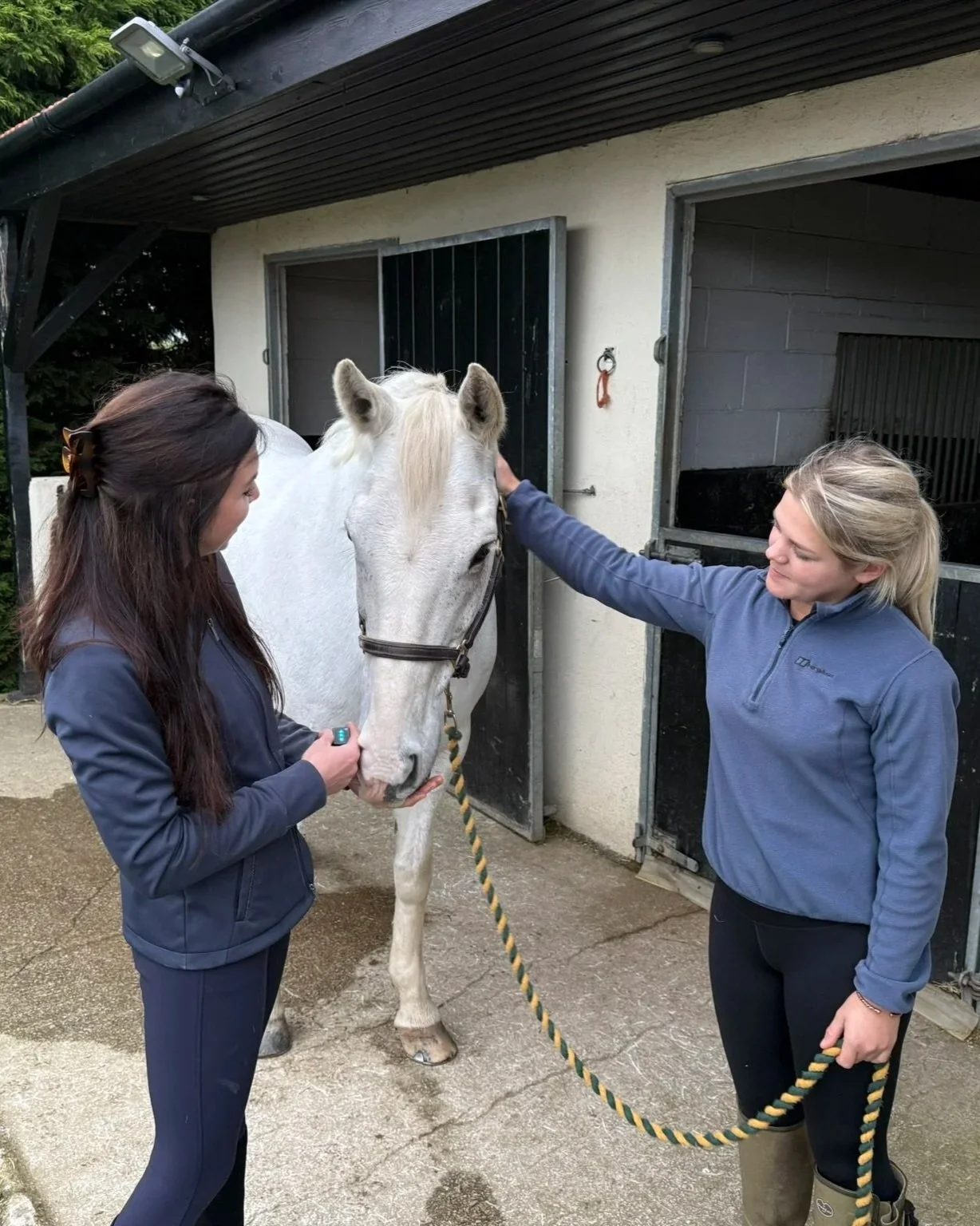
History and Assessment
For each horse, a case history and treatment goals are obtained through discussion with the client and treating veterinarian (where appropriate).
Static and dynamic assessment. This includes:
Subjective (i.e. visual) assessment of the horse in a standing position and during in-hand walk and trot in a straight line, and on the lunge.
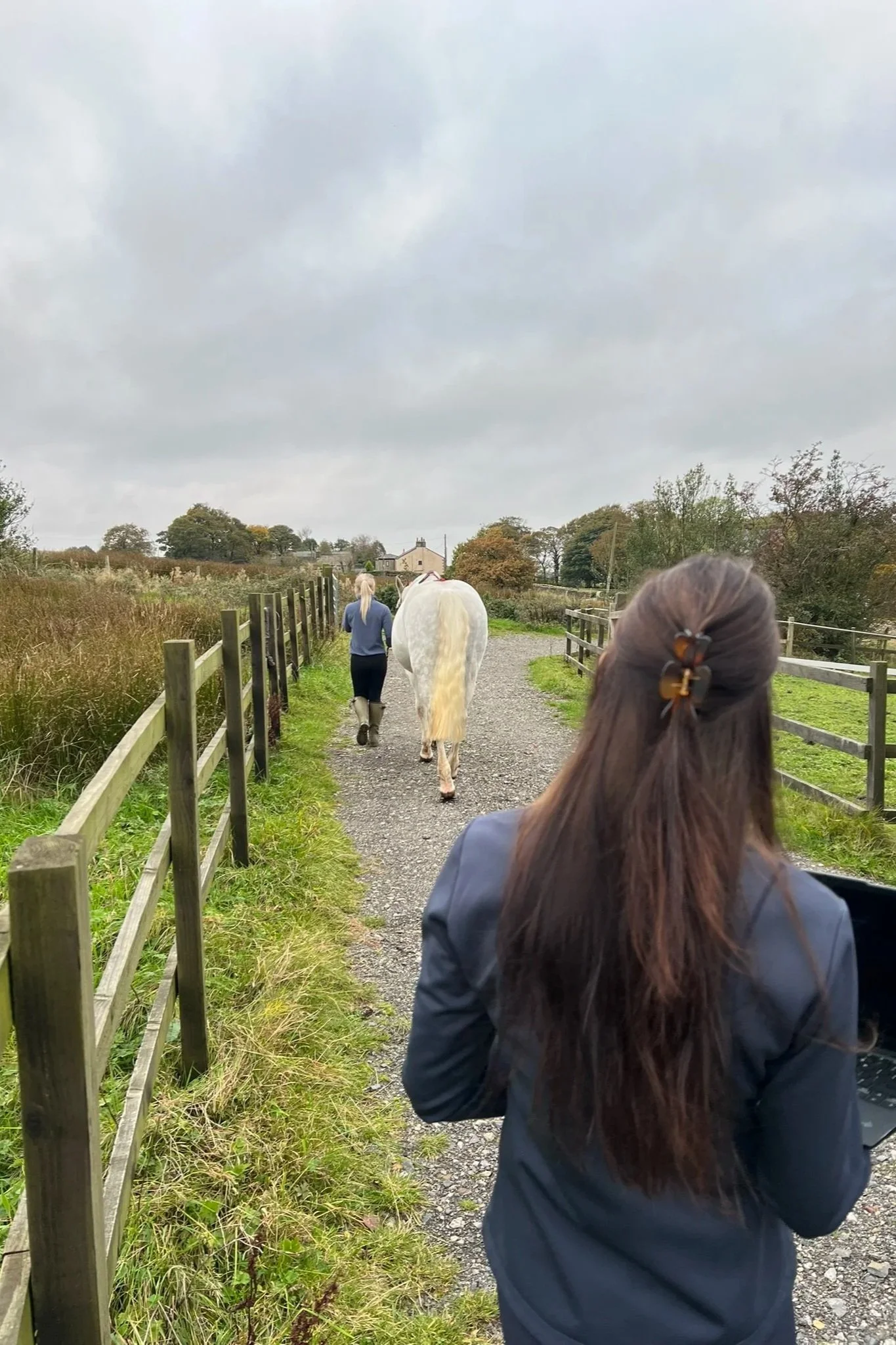
In addition, objective gait analysis is conducted using scientifically validated wearable motion sensor (IMU) and/or computer vision (Sleip) systems. Muscle activity may also be quantified using surface electromyography (sEMG). Data are collected during in-hand walk and trot, and on the lunge to quantify upper-body movement asymmetry and underlying muscle function. Data are analysed on-site and expertly interpreted alongside subjective information to:
Obtain an objective point of reference for individual horse’s movement and muscle activity.
Objectively inform the development of individualised physiotherapeutic treatment plans - we do not take a “one size fits all” approach!
Assessment of joint range of motion (ROM) and palpation are also conducted as part of the assessment.
Ridden assessment may also be conducted where appropriate.
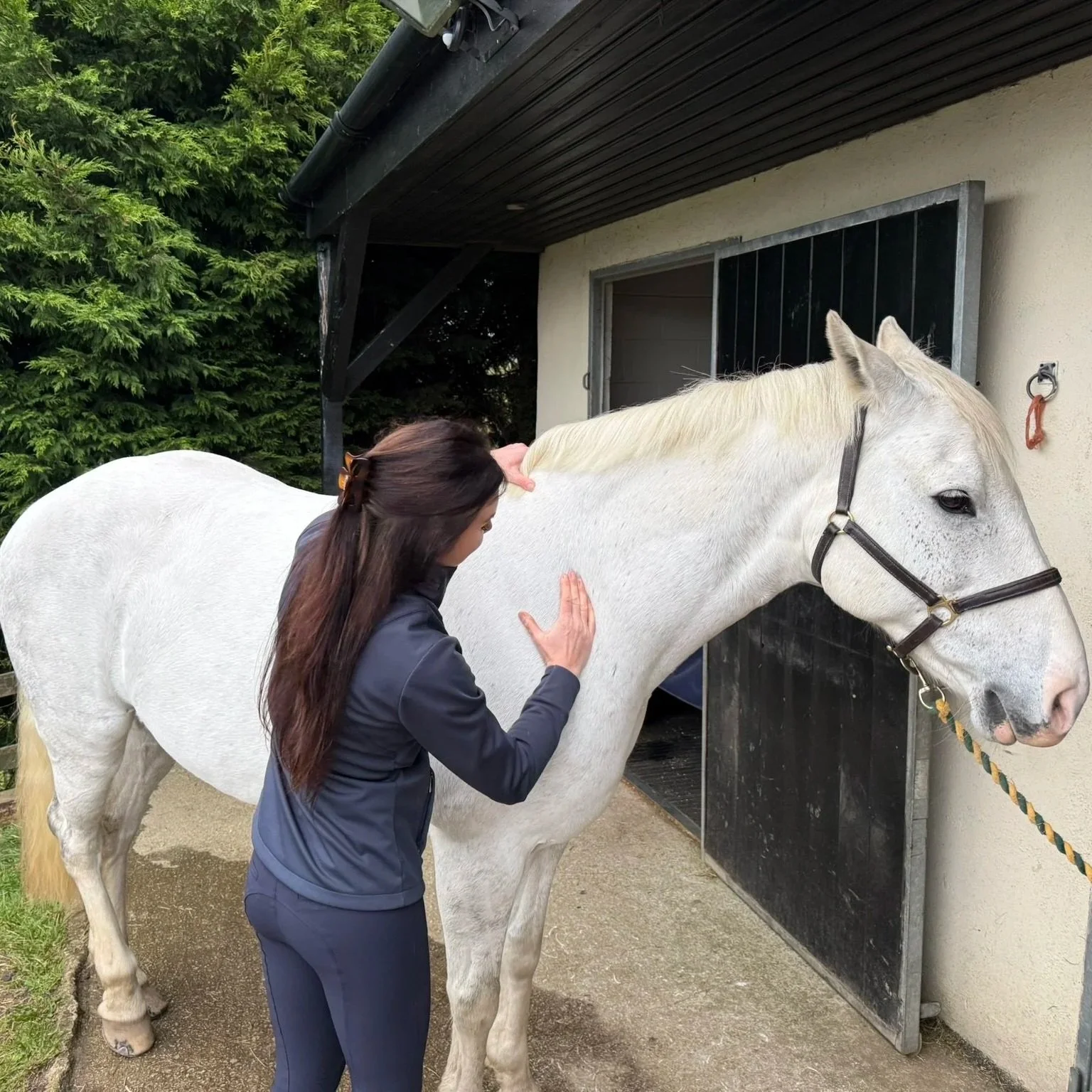
Treatment
An individualised problem list and associated treatment plan is developed through clinical reasoning and a comprehensive synthesis of objective data, information from subjective assessments, case history and the scientific evidence base.
As an academic researcher, I maintain access to scientific journals and databases and remain up-to-date with the latest research, which underpins my treatment plans and approach to client education.
Initial treatment generally encompasses manual (hands-on), thermal, and exercise therapies. Electrotherapies may be employed, but only where there is sufficient scientific evidence to support their use for individual cases.
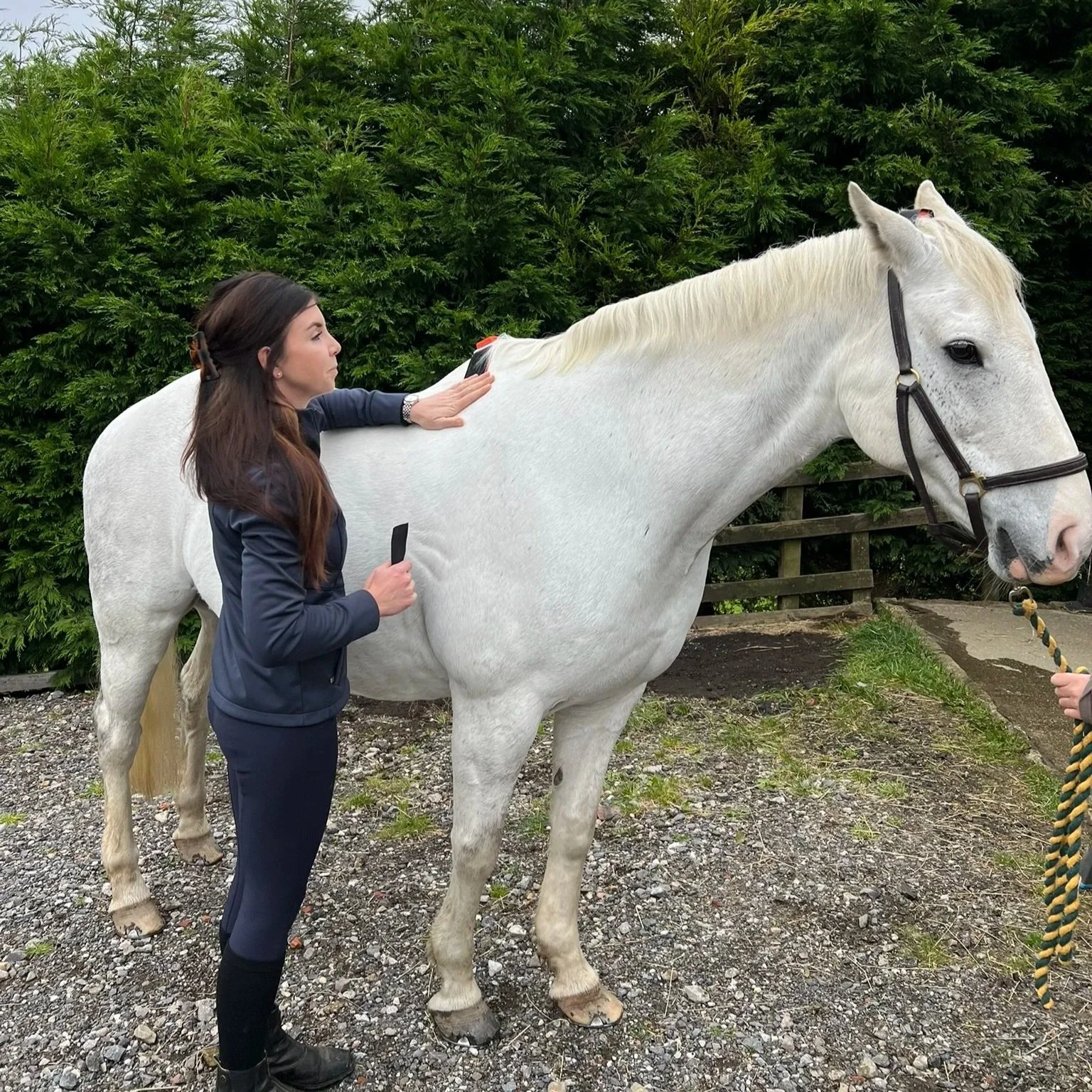
Post-Treatment
Post-treatment objective gait analysis is included as part of our comprehensive service. Pre- and post-treatment data are immediately analysed and communicated to the client in an easy-to-interpret manner.
The evidence-based treatment plan is discussed with the client, and where appropriate, with the treating veterinary surgeon.
A detailed report is sent to the client afterwards for their records. It is also sent to the treating veterinary surgeon and/or insurance provider (where appropriate). Each report contains an apprehensible summary of gait analysis data, as well as a summary of the session, treatments provided, and the individualised treatment plan with reference to the scientific literature that supports it.
More Info
For Clients and Veterinarians
-
In the UK, vet physios do not have professional autonomy and cannot act as primary practitioners or diagnose conditions. They must work within this scope of practice and under the delegation of a registered veterinary surgeon, who has prescribed physiotherapy to treat a diagnosed condition with the purpose of curing or improving it.
Vet physios can provide complementary treatment for animals that are affected by movement disorders, weakness and/or pain arising from injury, aging, and/or health conditions. They take an evidence-based approach to underpin treatment: drawing on their specialist knowledge and clinical reasoning skills, a systematic physical assessment, and communication with the treating veterinary surgeon. Treatment can include manual therapies, exercise prescription, thermal modalities, and client advice and education.
-
Veterinary physiotherapists are required by UK law to comply with the Veterinary Surgeons Act 1966 and the Veterinary Surgery (Exemptions) Order 2015, which mandates referral and consent from a registered veterinary surgeon to treat an animal by physiotherapy. Veterinary physiotherapists must be skilled in recognising signs of underlying injury, disease, or pathology. So, selecting a highly competent and appropriately qualified physiotherapist is of the upmost importance, particularly as “Animal/Veterinary Physiotherapist” is not a protected title within the UK and the RCVS does not regulate musculoskeletal therapists. There is no legal register for veterinary physiotherapists in the UK. However, there are several voluntary registers whose members demonstrate a high standard of competency through professional qualifications, insurance, CPD, and compliance to a strict code of practice (e.g., RAMP, ACPAT). These should be consulted when selecting a veterinary physiotherapist.
I am registered with the Register of Animal Musculoskeltal Practitioners (RAMP) which sets the “gold standard” of practice for animal physiotherapy in the UK. Professionals on the RAMP register demonstrate the highest standard of proficiency and professionalism, equivalent to the demands of the statutory regulatory bodies governing Chiropractic, Osteopathy and Physiotherapy in the human domain.
-
Yes, veterinary physiotherapists are required by UK law to comply with the Veterinary Surgeons Act 1966 and the Veterinary Surgery (Exemptions) Order 2015, which mandates referral and consent from a registered veterinary surgeon to treat an animal by physiotherapy.
RCVS guidance states that healthy animals, registered with a veterinary practice, can receive musculoskeletal maintenance care without veterinary referral. However, it is best practice for veterinary physiotherapists to seek referral from, or at the very least notify, the veterinary surgeon of maintenance treatments and to discuss any pre-existing conditions or medications that could affect treatment of a healthy animal.
We comply with UK legislation and RCVS guidance for maintenance treatment by requiring completion of a veterinary referral form prior to first appointments. The form is available on first contact.
-
The veterinary referral process is straightforward. A referral form, from the veterinary physiotherapist, is completed by a registered veterinary surgeon. The form includes contact details pertaining to the client, veterinary practice, insurance policy (if applicable), and the animal, including the diagnosis/medical condition to be treated by physiotherapy, and other relevant medical history. Importantly, the referral form includes a declaration of veterinary and owner consent to treatment.
Once completed and returned, the veterinary physiotherapist is legally permitted to treat the animal and maintains a clear line of communication with the veterinary surgeon, and owner. The referral form is available on first contact.
-
Vet physios work synergistically with the treating veterinary surgeon, each with a differing, albeit related approach to treatment. The veterinary surgeon’s primary is to reach a pathoanatomical diagnosis, from which a medical or surgical treatment plan can be developed. Whereas the vet physio focusses on assessing the functional mechanisms (pathophysiological, neuromuscular, biomechanical adaptations) that are secondary (or causative) manifestations of the pathoanatomical diagnosis. Thus, the vet physio makes a distinct and important contribution to the multi-disciplinary team approach to veterinary healthcare.
Vet physios take an evidence-based approach to the development of treatment plans, which can include a range of treatment modalities. They draw upon the evolving field of veterinary physiotherapy as a branch of science, as well as the vast evidence base for humans, to underpin their treatment plans, ultimately serving to improve patient clinical outcomes and quality of life.
-
Prices reflect the comprehensive service described above and include pre- and post-treatment equine gait analysis, individualised treatment plan and detailed report.
Initial Appointment: £140
Please allow 1.5 - 2 hoursFollow-Up Appointments: £120
Please allow 1 - 1.5 hours
Subscriptions are available on request and offer discounted rates on 4, 8, and 12 session/year packages.
Discounted bundle pricing is available for multiple horses per call out:
2 horses/call out: 15% discount, £102 per horse.
≥3 horses/call out: 20% discount, £96 per horse.
-
We are based in the North West of England and offer services within a 20 mile radius of BB3. Please note that the following travel fees apply:
≤ 5 miles of BB3: £0
6 – 10 miles of BB3: £5
11 – 20 miles of BB3: £10
≥3 animals per call out: £0
-
We understand that cancellation may be necessary, so do not charge a fee if cancellation takes place 24 hours prior to the scheduled appointment. 50% of the service fee will be charged if cancellation occurs <24 hours before the scheduled appointment.
If the animal is deemed unsuitable for physiotherapeutic treatment (i.e. veterinary referral is required), then the appointment will cease and 50% of the service fee will be charged. This is to cover costs associated with travel and time.